

Repair
Perimeter drainage repair
Spot repair, one side or full renewal, scoped from camera footage of your drain tile and the age of the pipe around it.
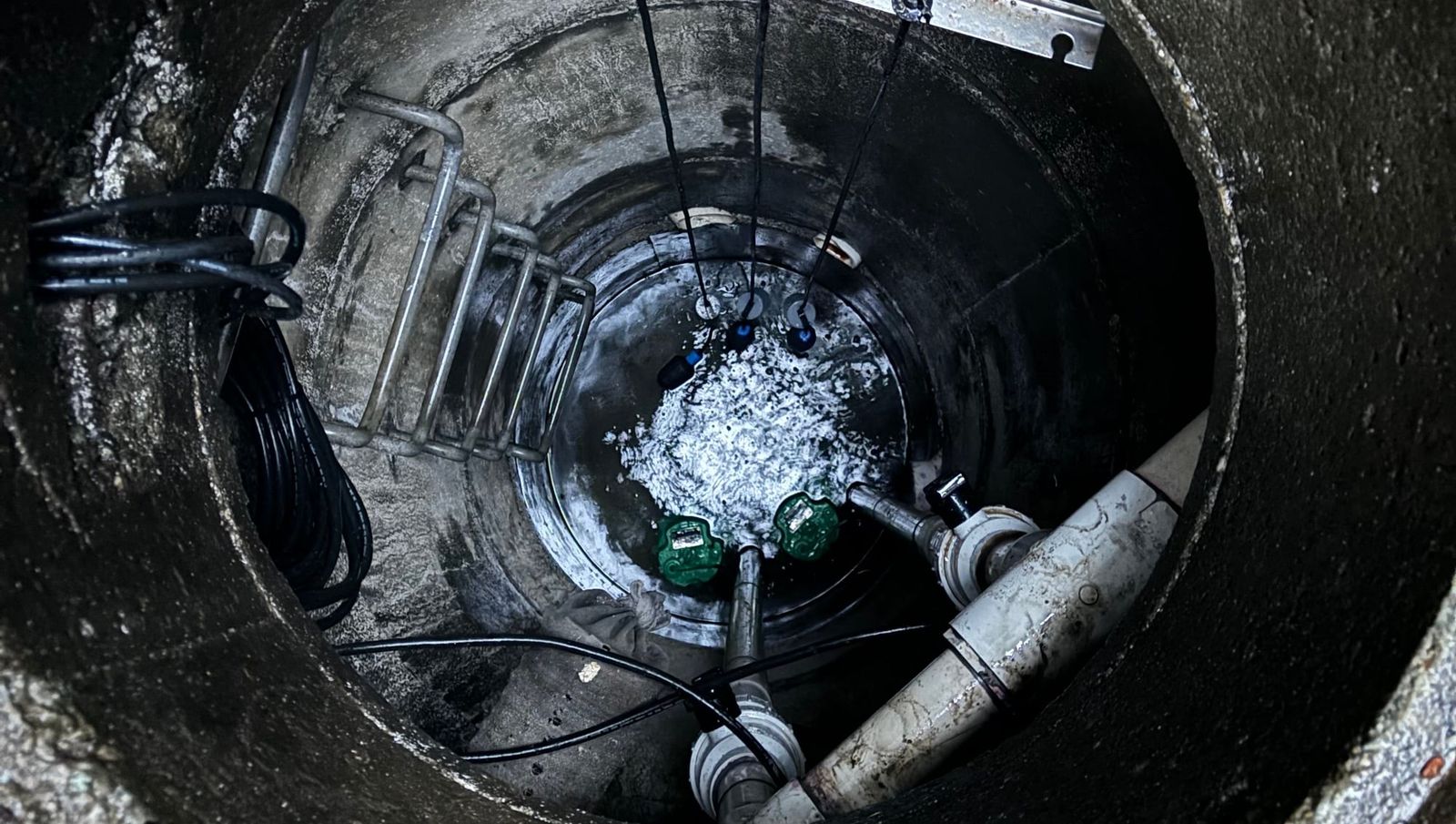
A pump has one job and about ten years to do it. Past that, a single pump that still passes a load test is a flood waiting for the next storm, and a replacement is cheaper insurance than a claim. We load-test what you've got, tell you straight whether it has time left, and service or replace storm sumps and sewage ejectors before they get to decide for you.
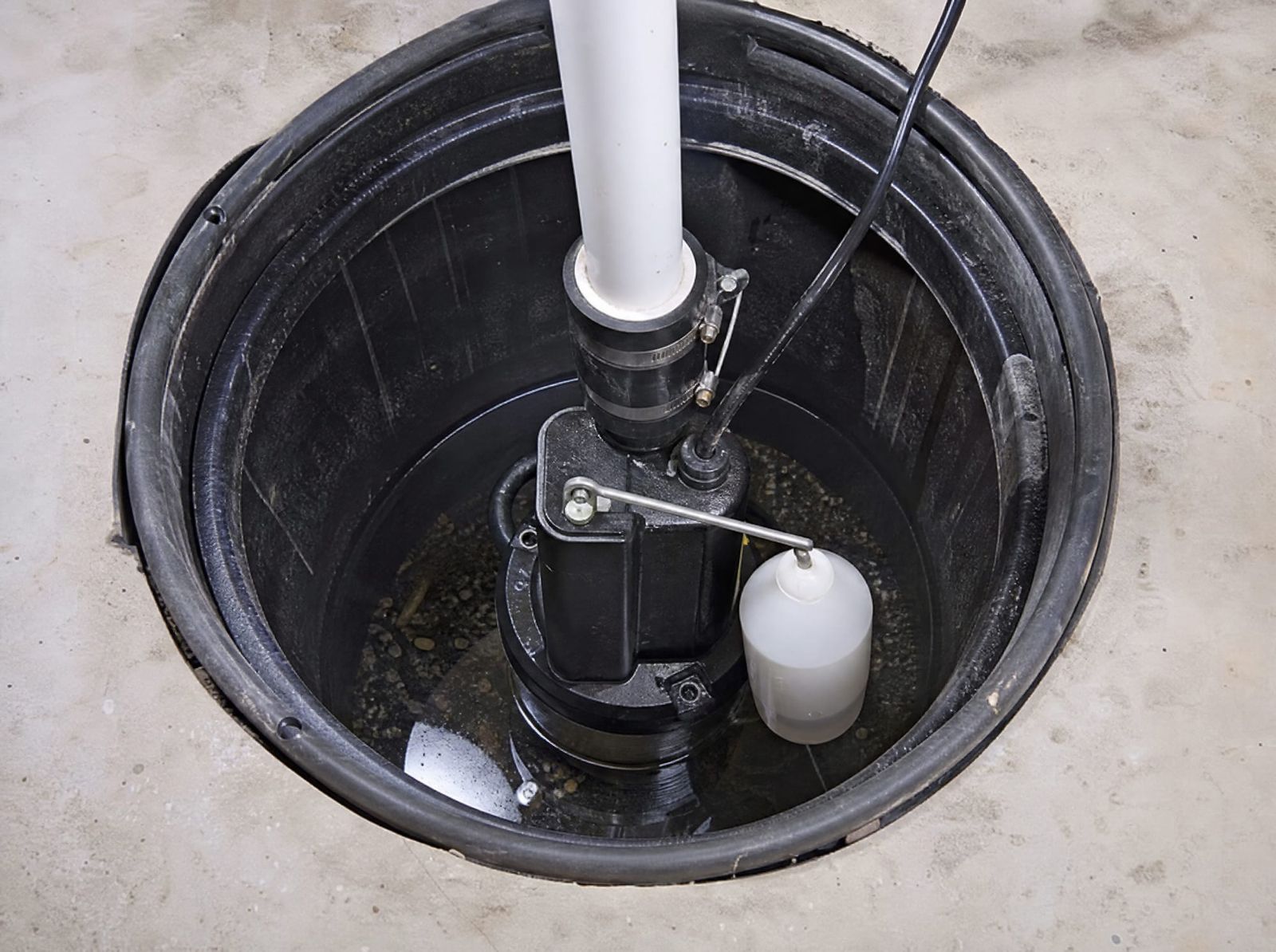
Storm sump pump
Sewage ejector or grinder pump
Not sure? If it runs during rain, it is a storm sump. If it runs when you flush, it is a sewage ejector. Some houses have both. Have a question? Call or text (604) 210-3892.
A pump usually warns before it fails. Some signs are the same on any pump; a few point to one system or the other.
No alarm? Every pump system should have a high-level alarm. A pump fails silently; the alarm is what turns a flood into a service call. Most insurers expect a pump system to have one, and some ask about it when a claim is filed.
Replace the pump without checking the rest of the system and the same failure comes back. On any pump, storm or sewage, the fault is in one of four places.
And one that is not a fault at all. An extended power outage stops a healthy pump as surely as a dead one, and outages come with the same storms that fill the chamber. That is what battery backup is for.
Covered by our Built Better Warranty.
See details of the Built Better WarrantyIf it's working harder every year, look upstream
Replace on age, not on failure
Permits and municipal rules. Each municipality has its own rules on where pumped storm water can go and whether a permit or an engineer's letter is needed; Burnaby, for example, requires a registered professional to design a pumped perimeter system. We confirm what applies at your address and arrange permits and inspections where required.
Have a concern? Text or call (604) 210-3892 — a two-minute conversation usually sorts it.
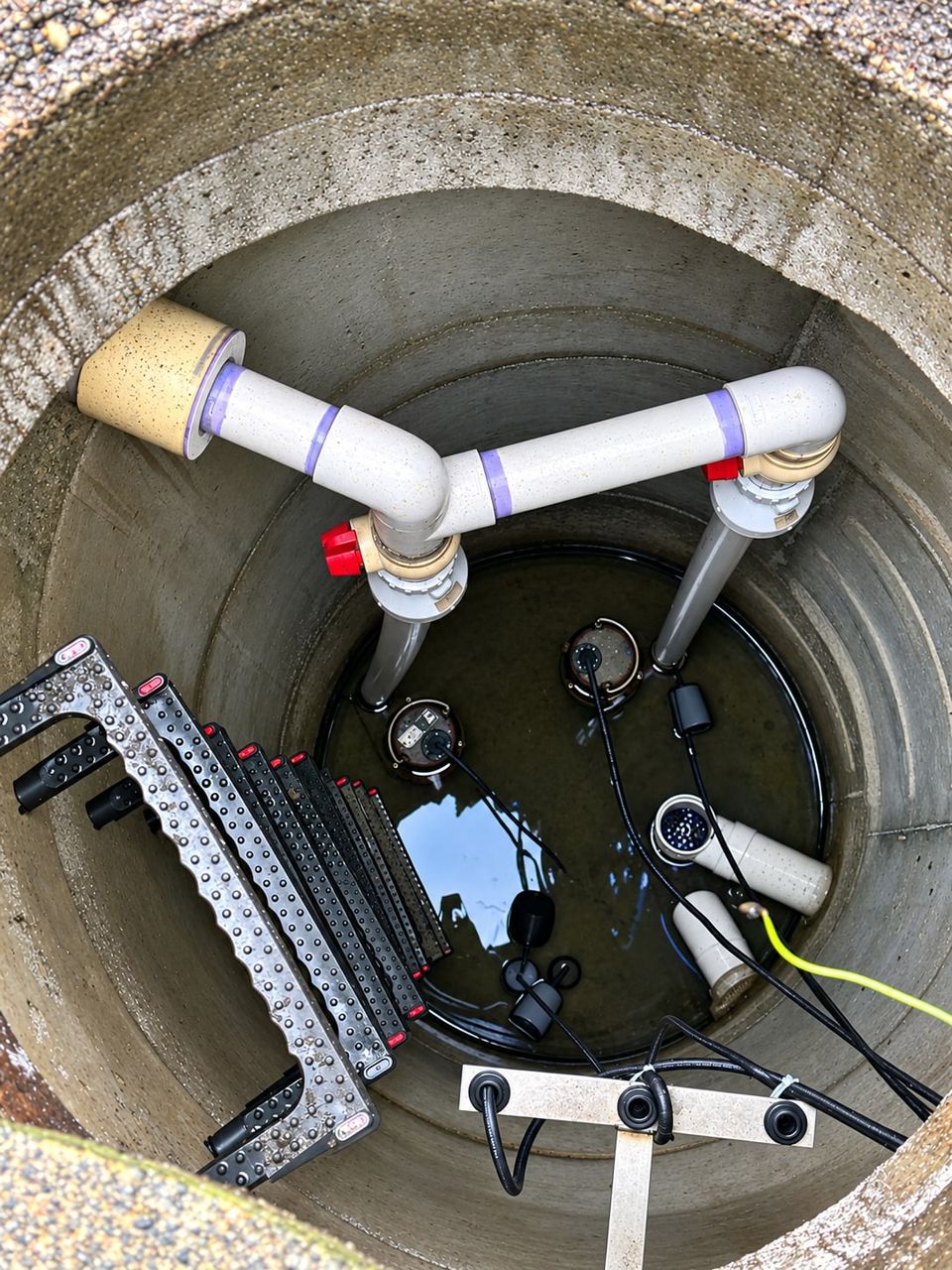
What's different about an ejector
What never goes down the drain
Have a concern? Text or call (604) 210-3892 — a two-minute conversation usually sorts it.
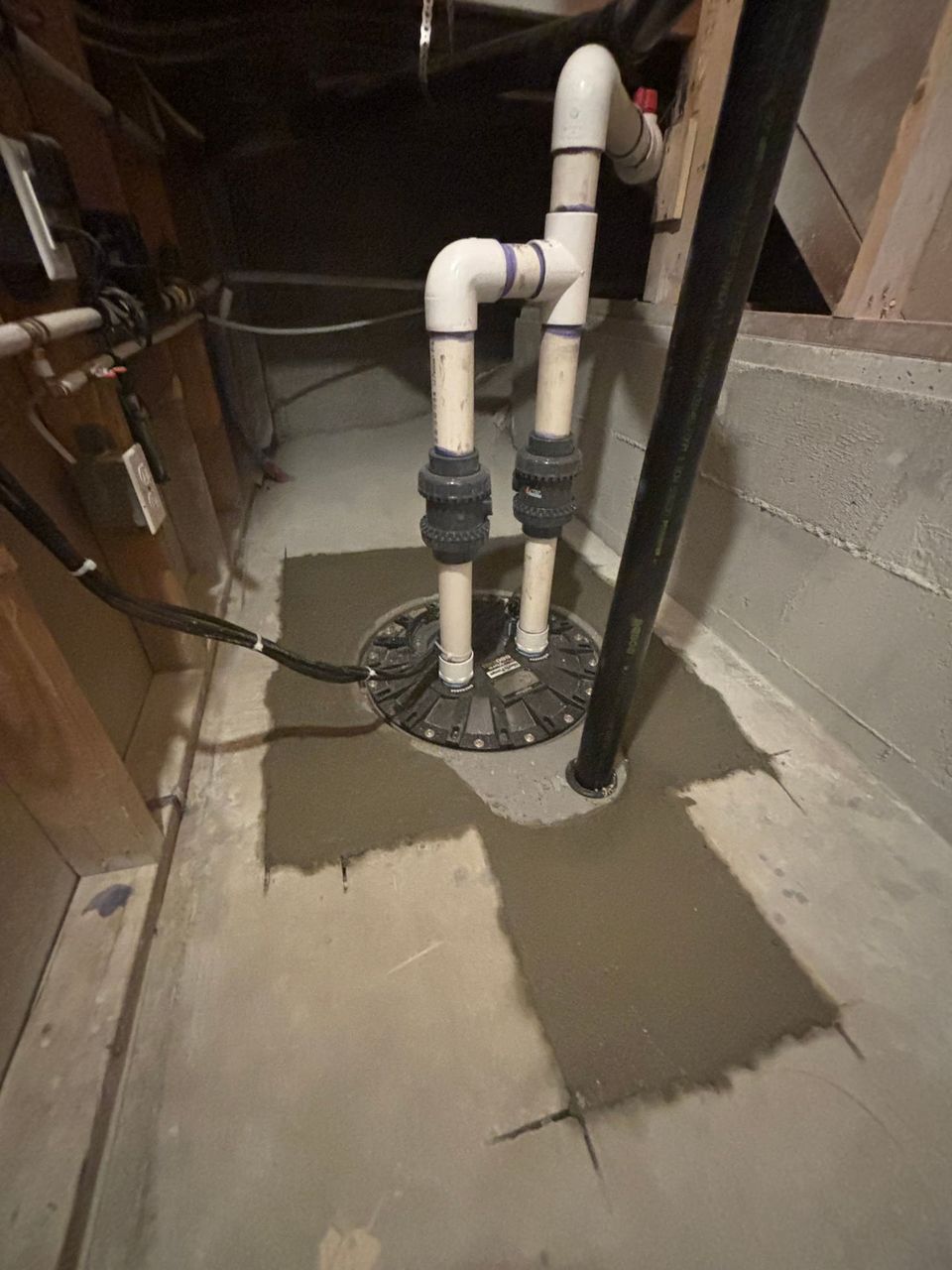
Most calls end as one of the first two. Scope and price in writing before any work starts.
Service and keep the pump
Replace the pump
New chamber or basin
What moves the price: a new chamber or basin against a swap into an existing one; one pump or a duplex; battery backup and an alarm; how far the discharge runs and the digging that takes; and whether the inflow — a failing perimeter drain, roof water — is the real problem. Engineering and permits where the municipality asks for them.
Built Better warranty, in writing. The term depends on the scope of the work, and the exact terms are in your contract.
The wettest months on the North Shore and across Greater Vancouver are October through January, and those are the storms that take the power out. A pump on mains power alone stops at the moment it is needed most. Four things keep a pump system working, or at least tell you when it is not.
A high-level alarm
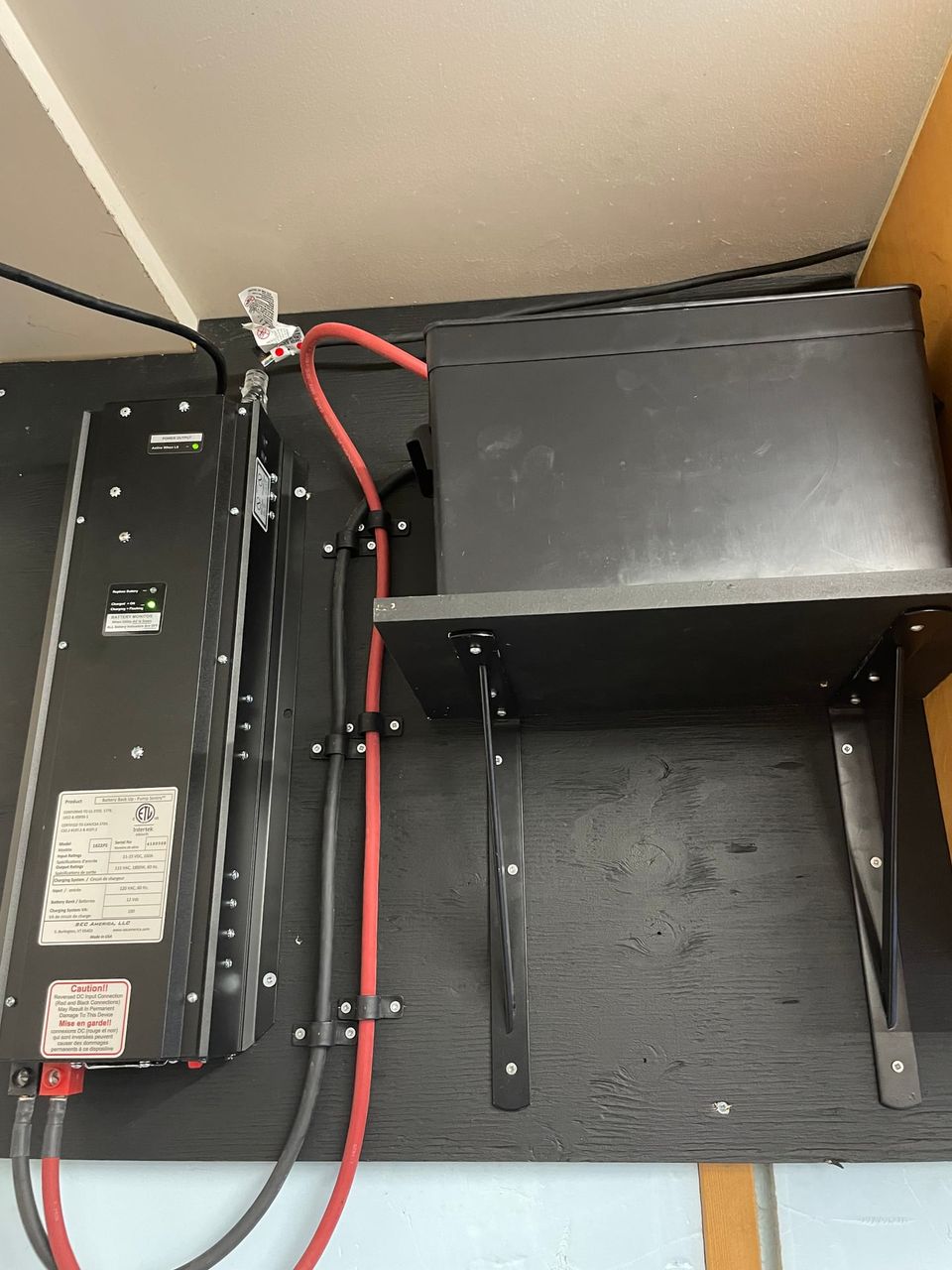
Backup power: battery or generator
A second pump: duplex redundancy
Water sensors
Repair
Spot repair, one side or full renewal, scoped from camera footage of your drain tile and the age of the pipe around it.
Inspect
HD video of what is inside your drain and sewer lines, with faults located from the surface, so repairs start from evidence.
Repair
Drain cleaning for sewer lines and hydro jetting for perimeter drains, with the camera showing what is blocking the line and whether cleaning will hold.
Related reading
Guide ·
Perimeter drains usually fail quietly. Here are eight signs that show up inside the house first, what each one usually means, and what to do about it.
Only if gravity cannot carry the drain water to the storm connection. Where gravity drainage is not practical, the BC Building Code, Article 9.14.5.2(3), calls for an automatic sump pump to discharge the pit. A camera shows where your drain runs and what shape it is in, and levels taken to the storm connection show whether gravity can reach it.
A pump that never stops is usually reacting to a fault outside the motor. A check valve that lets water fall back, a discharge that returns it to the foundation, roof water plumbed into the pit, or a drain loading the pit past what it was sized for can each keep it running. The pump is often reporting the fault, not causing it, and a test under load shows which one it is.
To somewhere the water cannot return to the pit or the footing: the storm system, a drainage ditch or a dry well, whichever is allowed at your address. Never the sanitary sewer, which the Burnaby and District of North Vancouver bylaws both keep for sewage. A check valve on the discharge line stops lifted water falling back into the pit between cycles.
It is better kept out. Roof water in the pit is more water for the pump to lift, and it can keep the pump running longer. In Burnaby, the City's guide says rain water leader piping must run by gravity where perimeter drainage is pumped. That is Burnaby's guidance, not a general rule, so check what applies at your address.
If the basement is finished, or the sump is what keeps water out in a storm, a backup is worth having, because the storms that fill the chamber are the ones that take the power out. We fit battery backup on any pump serving a finished lower level. On an unfinished basement with a working floor drain the case is weaker.
Sizing follows the water the system delivers and the vertical lift to the outlet, not the size of the house. An oversized pump tends to short-cycle and wear out, and an undersized one never catches up. We size a new pump to the measured inflow and lift.
A hum with no flow is usually a jammed impeller, a seized motor or a failed capacitor. On a newer pump in a clean chamber, repair can be worth it. Past 8 to 12 years, a single pump is not one to keep even if it still passes under load, so we schedule the replacement instead.
Yes, where the drain has no fall to the storm connection. A new chamber or basin is set, interior or exterior, with the pump, a check valve and a discharge line to the municipal storm system, so it is a scoped job rather than a swap. We confirm the drainage needs a pump before installing a new sump. A sump is not a substitute for a failed perimeter drain.
Reviewed
Tell us the address and what you're seeing — a backup, a wet wall, a smell, a sinking lawn. We'll tell you what the next step is and what it costs, before anyone digs. Not sure yet? Ask us a question first.
Talk to the crew
Mon–Fri 7:30am–5pm · Sat–Sun 8am–5pm
Water where it should not be? A person answers, not a call centre. Photos by text tell us the most.
Call (604) 210-3892 Fastest way to reach us Text us Send photos of the wet spot