

Maintain
Strata maintenance programs
Common property drainage on a schedule council can budget for, scoped from measured condition and recorded year after year.
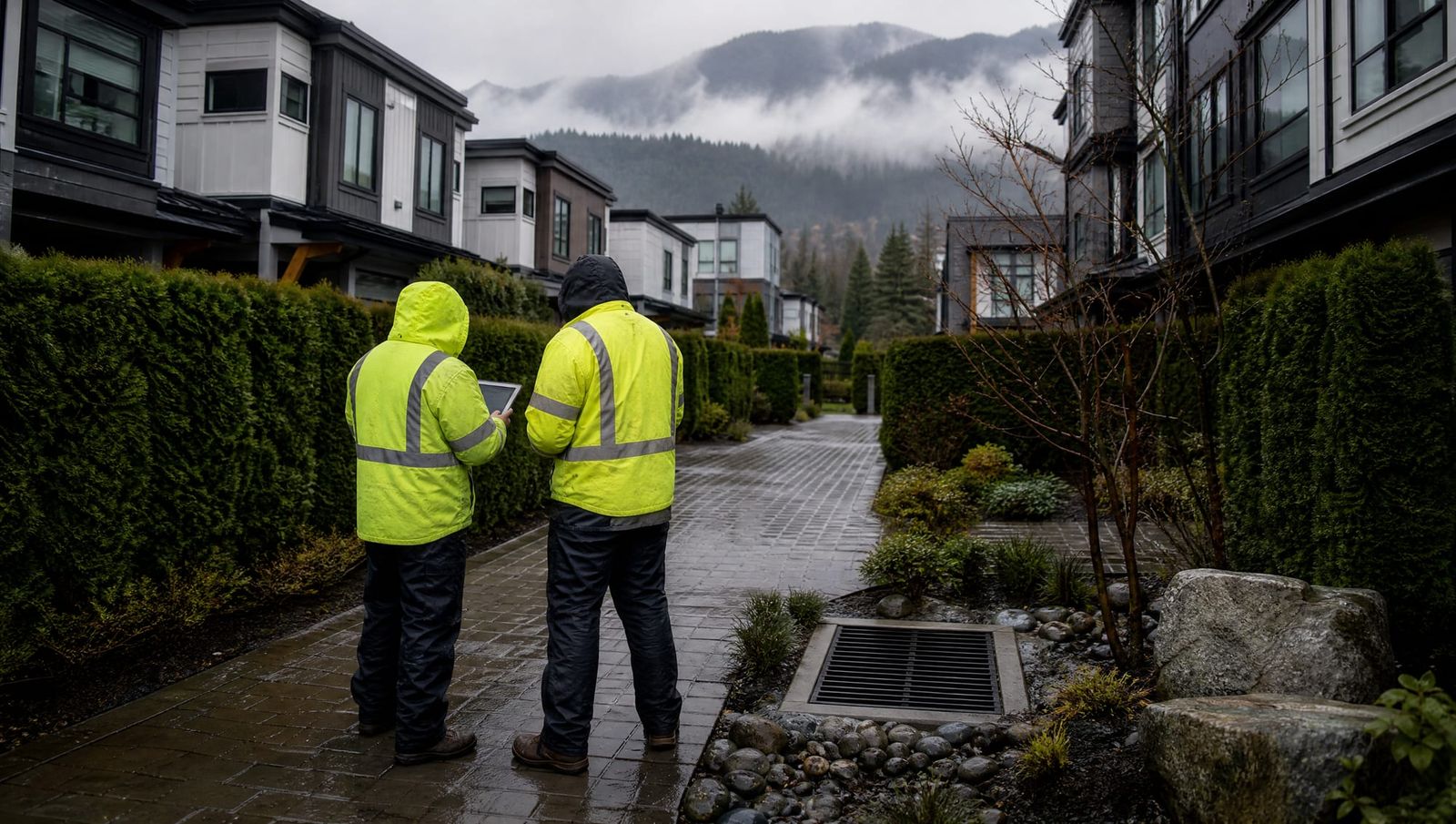
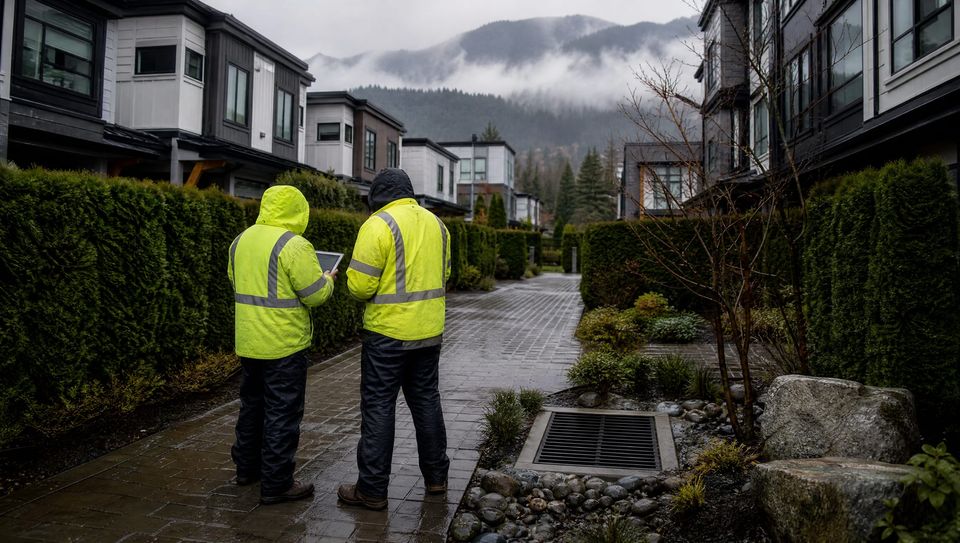
A whole-site camera assessment for strata councils and property managers: every reachable run rated by section, with the footage behind it, in a report council can vote on.
A pipe at footing depth is out of sight. Unless someone has put a camera in it, its rating rests on age and visible symptoms. A unit reports water and it is treated as a one-off. If more follow, the reserve may already be committed elsewhere, and the next step is a special levy nobody budgeted for.
A strata drainage assessment replaces the guess with a condition rating for every run the camera can reach, backed by footage. Sometimes the news is good. Either way, council has evidence to budget from.
New to the topic? Start with what a perimeter drain is and how it works.
At Drainage Pro we diagnose before we excavate. For a strata site, that means the shared drainage of the whole property, including sewer piping, waterproofing condition at and below grade, and each system's age, material and remaining service life. Four ways it fails, and what each one shows:
Runs we cannot enter are listed as unverified, not rated as sound.
Ratings by section, the footage behind them, and a plain list of what was not verified. Evidence to put in front of owners.
One assessment for the whole site, one coordinated attendance, resident notices through you.
Condition data per run, each rating tied to footage or an on-site observation. Raw footage on request.
Every BC strata with five or more lots must obtain a depreciation report on a five-year cycle, and council can no longer vote to defer it. Only the professions the province lists may prepare it, and the author's evaluation rests on what can be seen on site.
Buried drainage is the one component the author cannot see. We put a camera in it and supply what the report needs: footage, a condition rating for each run, and an estimated replacement timeline. We are not the report's author and do not prepare it; we coordinate directly with whoever does, whether that is your depreciation report provider, engineer or building envelope consultant.
Covered by our Built Better Warranty.
See details of the Built Better WarrantyRuns are rated so the most urgent work goes first and the rest can be planned. That lets council carry drainage as a planned component instead of a surprise. Owners asked to approve spending should see the evidence, not a summary of it.
Replace now.
Plan for.
Monitor.
If a run can wait, we'll tell you. If it can't, we'll tell you that too. And when the whole site is the same age, we'll say plainly that phasing means paying to open the same ground twice — before council votes, not after.
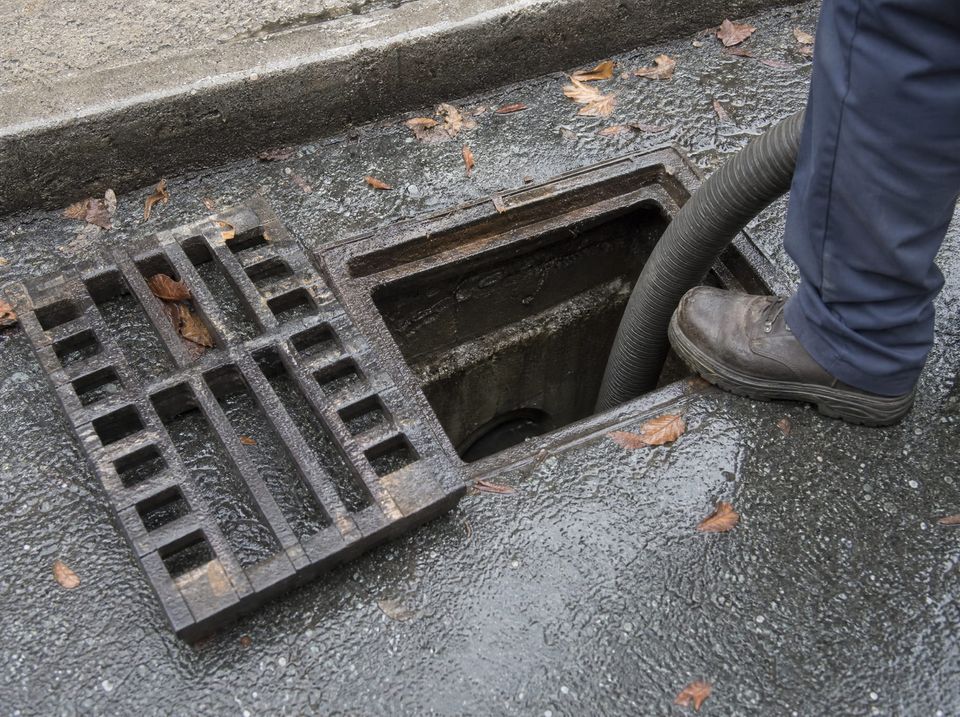
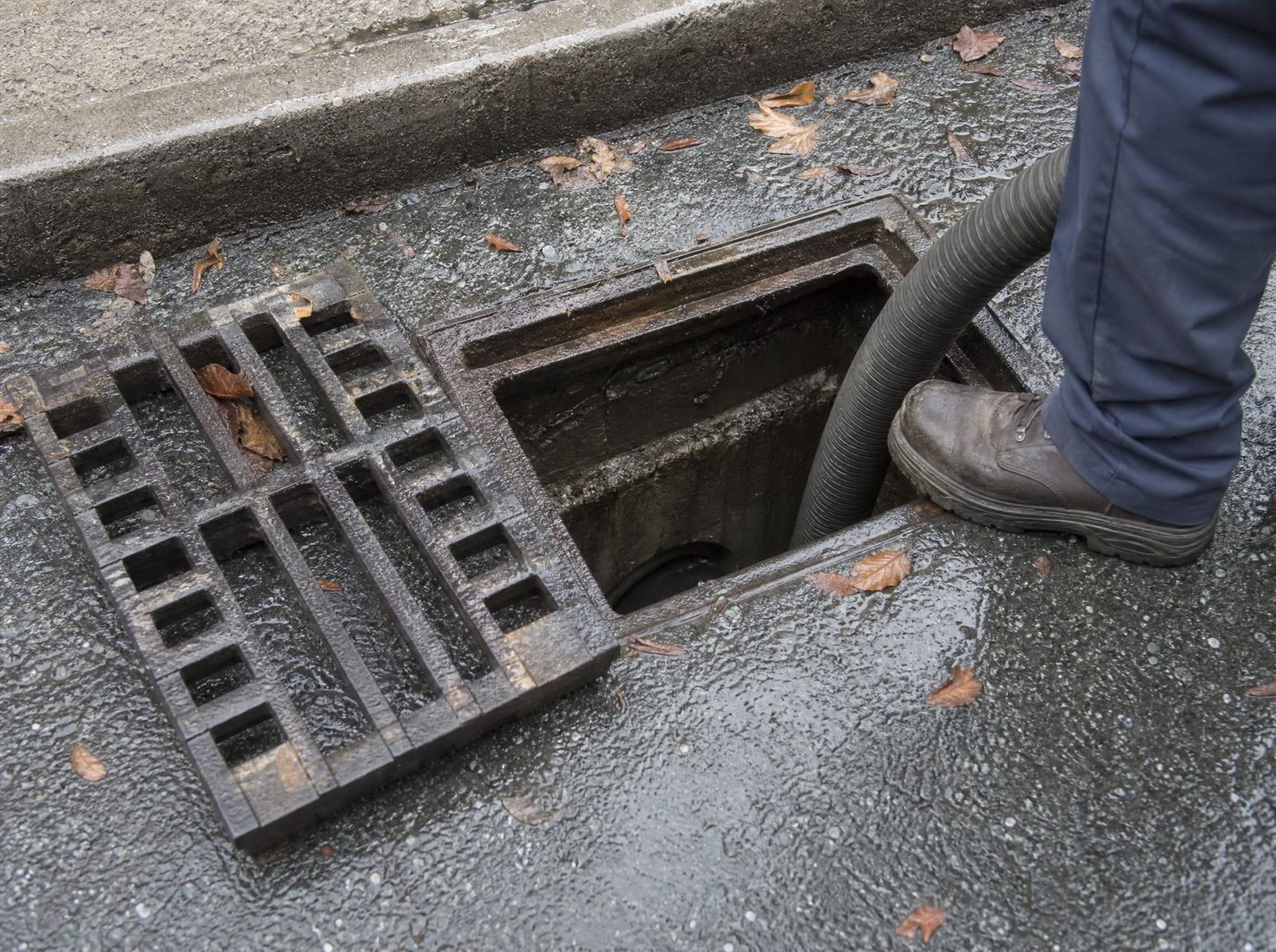
After the report, council can scope a repair from the same findings, in perimeter drainage, sump pump or sewer line work. Catch basin cleaning is also available on its own.
Maintain
Common property drainage on a schedule council can budget for, scoped from measured condition and recorded year after year.
Maintain
We empty the sump, check the outlet and record each basin, for houses and strata parking areas, ahead of the wet months.
Repair
Storm sumps and sewage ejectors load-tested, then serviced or replaced before they fail, with battery backup and alarms where they count.
Related reading
Guide ·
A perimeter drain collects groundwater at the footing and carries it away from the foundation. How it works, how deep it sits, and where the water goes.
It may list drainage, but drainage is one of the hardest components to evaluate. The province bases the report's evaluation on an on-site visual inspection of the site and, where practicable, of the components, and nobody can see inside a buried pipe from the surface. Unless a camera has been through the runs, their rating usually rests on age and visible symptoms.
It depends on the buildings' age and drainage history. Many councils time one ahead of their depreciation report renewal, so the report carries current drainage data. A run of new water complaints, or a change to the site such as resurfacing or an addition, is another reason to look sooner.
We schedule one coordinated attendance and handle resident notices through your property manager, so owners are not dealing with separate visits for each building.
Usually. Runs are rated by urgency, so the most urgent work can go first and the rest can be planned across budgets. Phasing is council's decision. The assessment gives it the order of work and the evidence behind each rating.
Yes, on request. The ratings, footage and repair priorities are set out so that owners who are not in the trades can follow what is proposed and why.
They are listed as unverified, not rated as sound. That keeps the gap in the record visible to council instead of hiding it behind a guess, and a run can be inspected later once there is a way in.
Either. We work directly for the strata council, for the property manager acting on council's behalf, or for both together.
Reviewed
Tell us the address and what you're seeing — a backup, a wet wall, a smell, a sinking lawn. We'll tell you what the next step is and what it costs, before anyone digs. Not sure yet? Ask us a question first.
Talk to the crew
Mon–Fri 7:30am–5pm · Sat–Sun 8am–5pm
Water where it should not be? A person answers, not a call centre. Photos by text tell us the most.
Call (604) 210-3892 Fastest way to reach us Text us Send photos of the wet spot