

Inspect
Basement leak detection
A stain on the wall is rarely where the water got in. We trace the route first, so the repair is aimed at the cause.
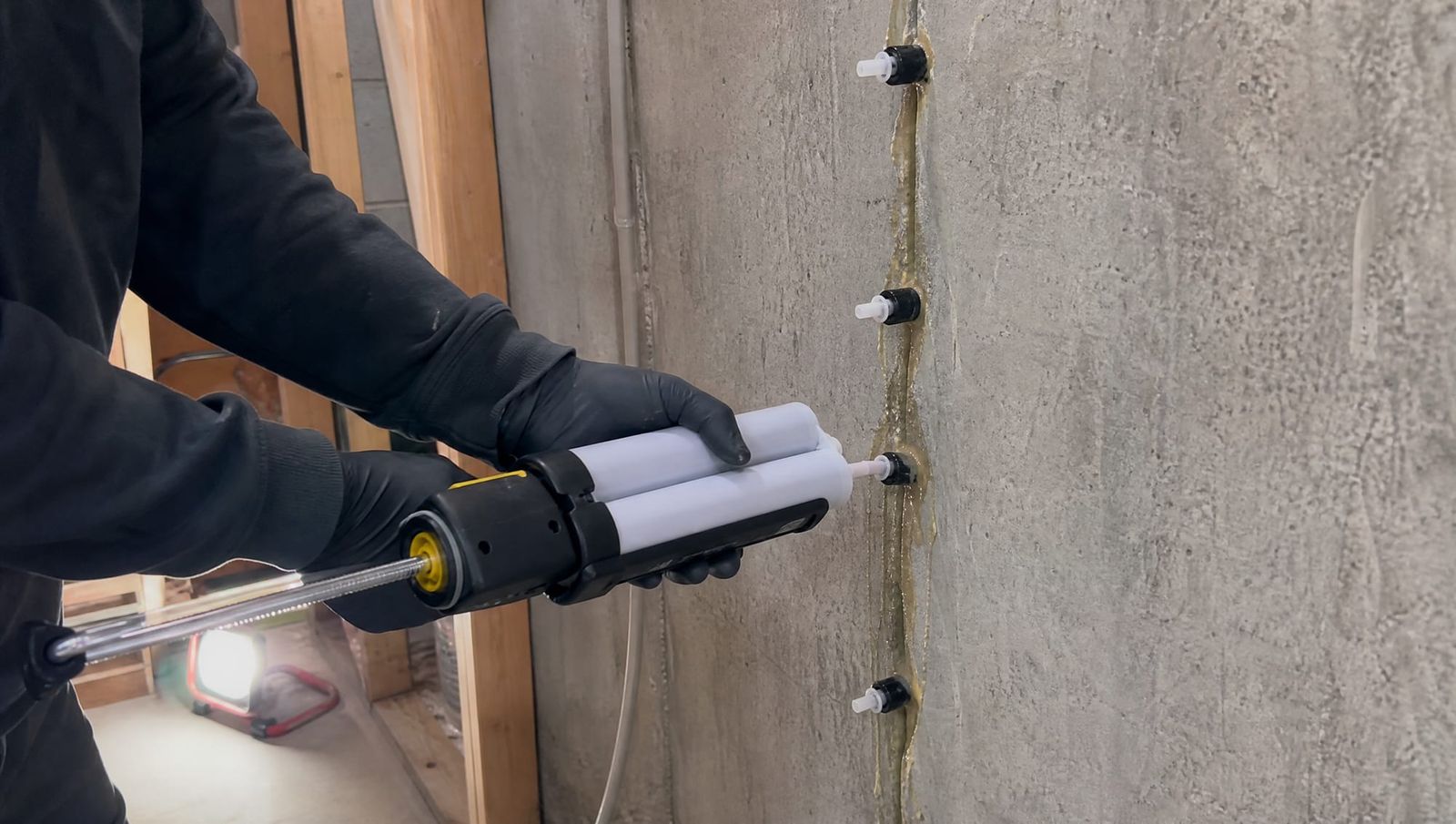
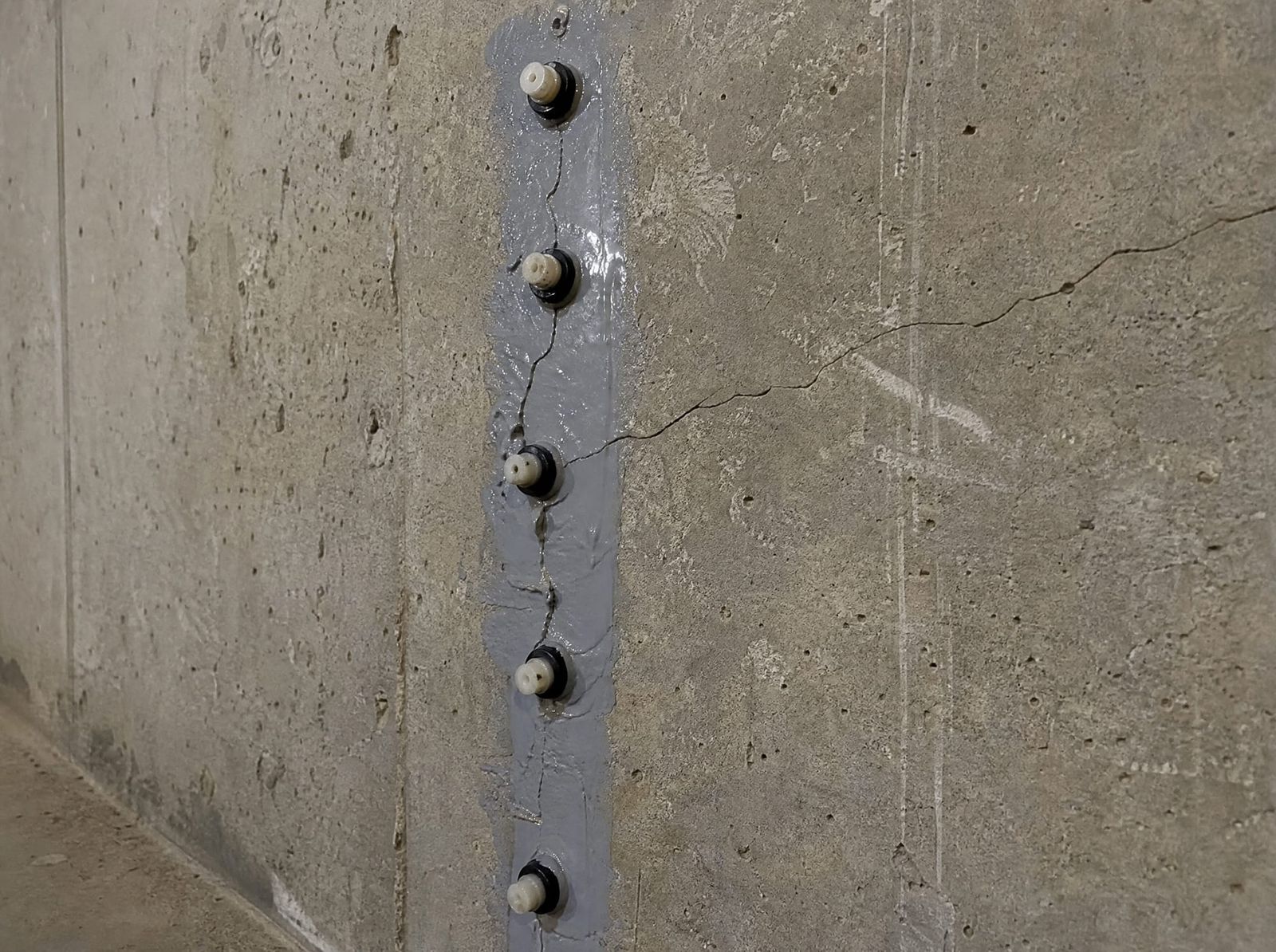
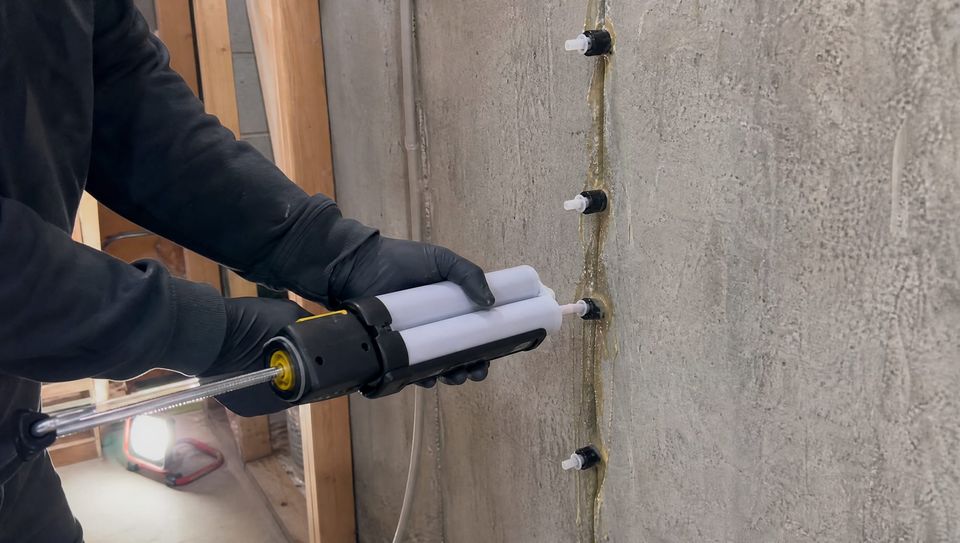
Foundation crack repair in Vancouver and the North Shore seals a leaking crack in a poured concrete or block wall by low-pressure injection along its full depth. We classify the crack first, then choose polyurethane or epoxy. We refer horizontal, stair-step, bowing or still-opening cracks to a structural engineer before injecting them.
Concrete shrinks slightly as it cures, so thin vertical cracks are common and often cosmetic. A crack that lets water in and a crack that signals movement can look alike in a dim basement. Direction, width and whether the crack is still moving tell them apart, and we classify the crack on all three before we choose a method.
A single hairline crack on a dry wall is not an emergency. If you see any of the signs below, send us a photo of the crack with a coin or a tape measure in the frame, and tell us whether it is wet.
Seepage.
Damp or mineral bloom.
One wet spot.
Width.
Reopening.
Fresh dust.
Horizontal or stair-step.
Movement.
The repair follows the cause and what the crack is doing, not a default method.
Monitor and seal.
Polyurethane injection.
Epoxy injection.
Exterior repair.
Covered by our Built Better Warranty.
See details of the Built Better WarrantyThese decide the scope of a crack repair. Scope and price in writing before work starts. The timeline is set in the written scope.
Some cracks should not be injected. A resin seal over a wall that is still moving can split again. Four patterns stop us: a horizontal crack, stair-stepping through block or mortar, a wall with a measurable inward bow, and any crack that is still opening.
We refer horizontal, stair-step, bowing or still-opening cracks to a structural engineer before injecting them. We tell you in writing when a crack needs an engineer instead of injection. We measure a crack that shows signs of movement and check it again before repairing it.
Movement is a structural foundation repair question, not a sealing one.
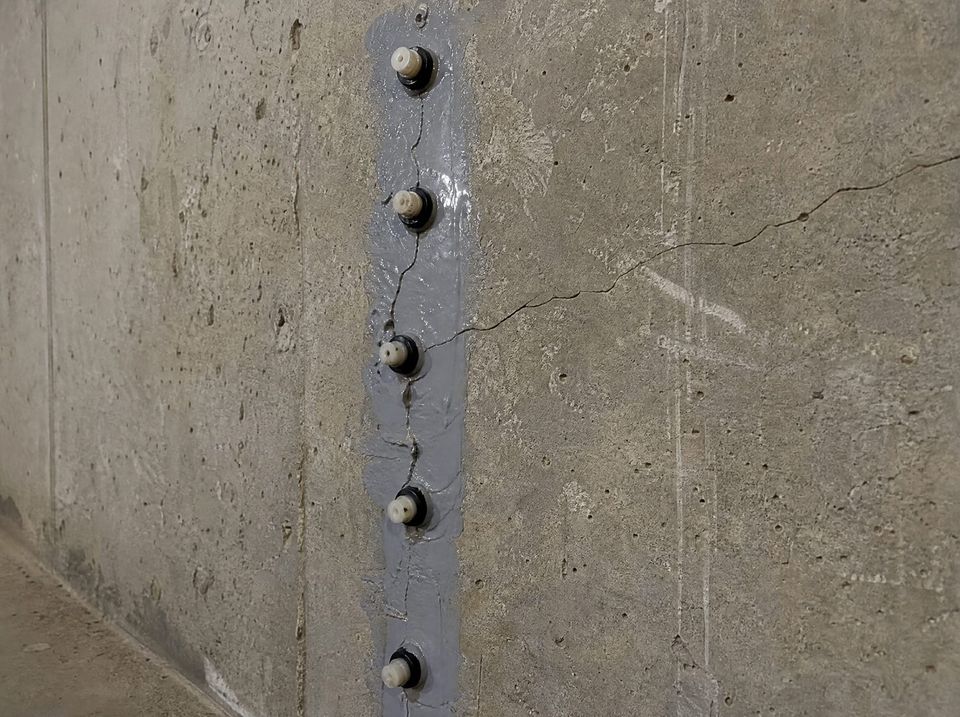
Polyurethane stays flexible once cured and expands to fill the crack. It is usually the better choice for an active leak, or for a crack that may move slightly with the seasons. Epoxy cures rigid and bonds the concrete across the crack, so it is used when the aim is to restore strength and not only to stop water. Epoxy injected into a wet crack usually fails.
Some walls take both: epoxy for strength in one place and polyurethane for a leak in another. We recommend a resin after inspecting the crack in person.
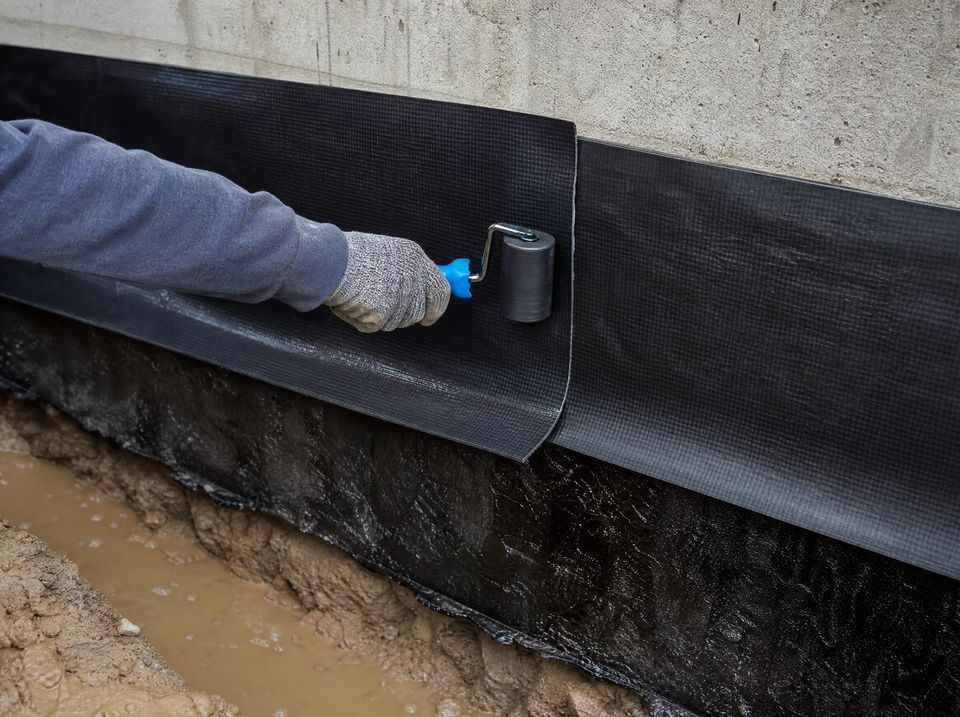
Injection from inside needs no digging. When the wall is already exposed for a perimeter drain replacement or exterior waterproofing, we repair the crack from the outside as part of that work, and the membrane goes over it.
The BC Building Code 2024, Article 9.13.3.3 calls for holes and recesses in a concrete wall to be sealed before it is waterproofed. A rusted tie hole is one of them.

In Environment and Climate Change Canada's 1981 to 2010 climate normals, October, November, December and January are the four wettest months by precipitation at both the N Vancouver Sonora Dr station and the Vancouver Int'l A station. Wet soil pushes on a foundation wall, and a crack gives that water a way through.
The ground moves too. Clay soil swells as it gets wet and shrinks as it dries, and Note A-9.4.4.4(1) in the BC Building Code 2024 names cracked foundation walls as one result of a particularly wet season.
Then there is the drain beside the crack. A perimeter drain sits outside the wall beside the footing and carries groundwater away before it builds up. A working drain relieves the water pressure behind a crack. When it stops working, water can build up against the wall, and a crack that stayed dry can start to leak. Sealing the crack closes one path, but water still pressed against the wall can look for another. A leaking crack is a reason to look at the drain, and basement leak detection traces water to its source before anyone repairs a wall.
If you are not sure whether a crack is cosmetic, book an inspection. We diagnose before we excavate, and at Drainage Pro that starts with classifying the crack before we recommend anything.
Inspect
A stain on the wall is rarely where the water got in. We trace the route first, so the repair is aimed at the cause.
Protect
Settling, bowing or heaving foundations, assessed with an engineer and repaired to the engineer's design.
Protect
A membrane on the outside face of the foundation wall, protected by drainage board and put on while the trench is open.
Related reading
Guide ·
Perimeter drains usually fail quietly. Here are eight signs that show up inside the house first, what each one usually means, and what to do about it.
No. Concrete shrinks slightly as it cures, so thin vertical cracks are common and are often cosmetic. A crack becomes a problem when it lets water through, is wide enough to take a coin, or is still moving. Horizontal and stair-step cracks are a different conversation.
Vertical usually points to shrinkage as the wall cured. Diagonal from the corner of a window or door usually points to part of the footing settling. Horizontal usually means the wall is being pushed inward, and stair-stepping through block or mortar joints usually means movement. Direction decides whether the job is about water or about structure.
A surface patch or hydraulic cement covers the face of the crack and leaves the rest of the wall open, so water usually finds its way through again. Injection fills the crack along its full depth from the inside out. A patch can also hide a crack that is still moving, which is why direction and width are worth recording first.
It depends on what the crack is doing. Polyurethane stays flexible once cured, so it usually suits a leaking crack or one that may move slightly with the seasons. Epoxy cures rigid and restores strength across the crack. We recommend one after seeing the crack in person, and some walls take both.
When the pattern suggests the wall is moving or being pushed. We refer horizontal, stair-step, bowing or still-opening cracks to a structural engineer before injecting them, because a resin seal over a moving wall can split again. We tell you in writing when a crack needs an engineer instead of injection.
If water arrives at one point on the wall, a crack or a tie hole may well be the source, and sealing it can stop that leak. If water comes up along the whole joint between the wall and the floor, the crack is probably not the source, and the answer usually points to the drain.
A crack in a wall that has stopped moving is a good candidate for a lasting seal. If the wall is still moving, a new crack can open beside the repair. We measure a crack that shows signs of movement and check it again before repairing it. Water pressure matters too, because a failed drain lets water build up against the wall.
Often it is a form-tie hole instead. A rusted tie leaves a path through the wall that leaks like a crack, and a pour seam can do the same. Telling a tie hole or a seam from a true crack is part of the assessment, because the cause is different.
Reviewed
Tell us the address and what you're seeing — a backup, a wet wall, a smell, a sinking lawn. We'll tell you what the next step is and what it costs, before anyone digs. Not sure yet? Ask us a question first.
Talk to the crew
Mon–Fri 7:30am–5pm · Sat–Sun 8am–5pm
Water where it should not be? A person answers, not a call centre. Photos by text tell us the most.
Call (604) 210-3892 Fastest way to reach us Text us Send photos of the wet spot