

Inspect
Drain camera inspection
HD video of what is inside your drain and sewer lines, with faults located from the surface, so repairs start from evidence.
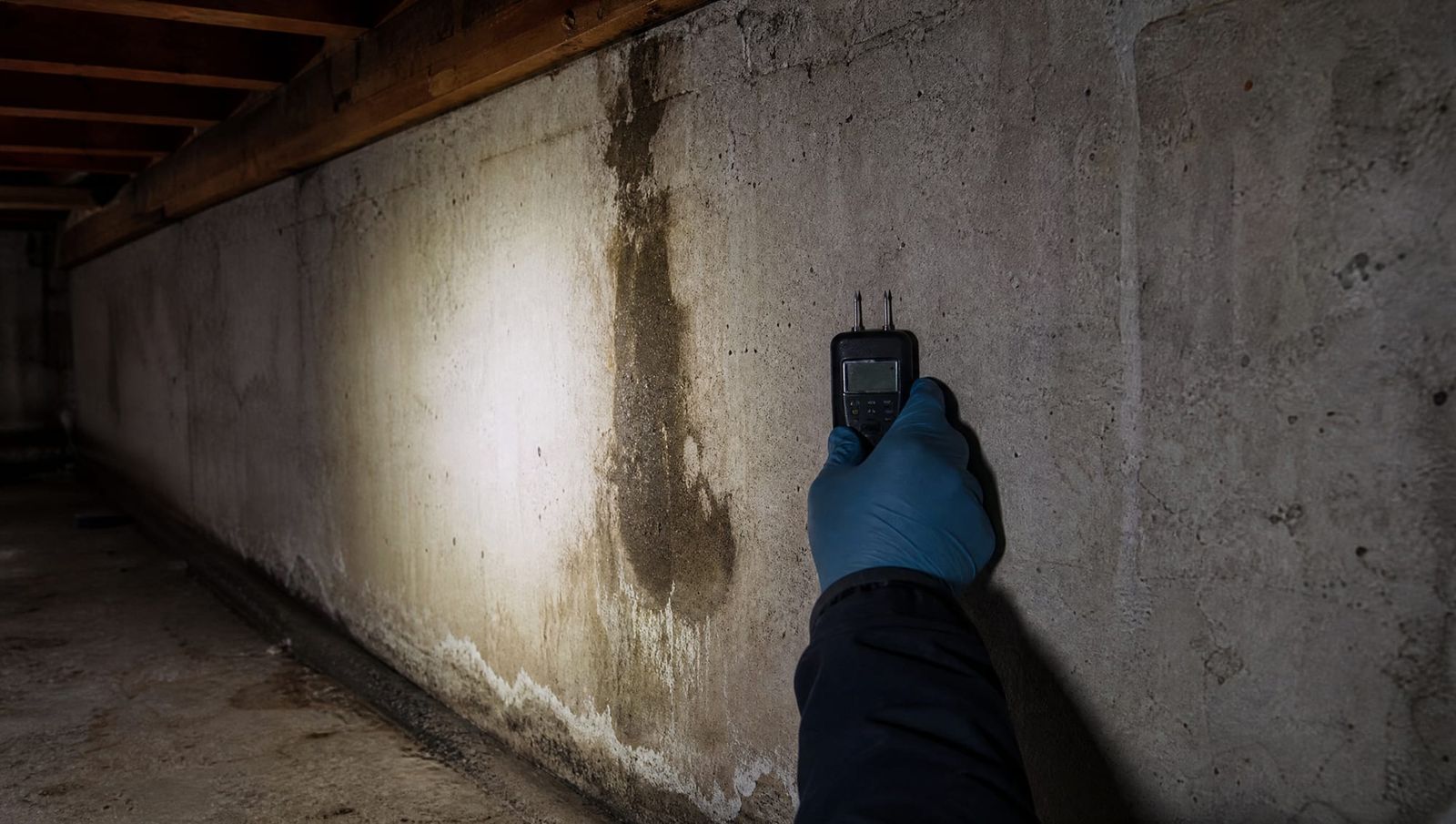
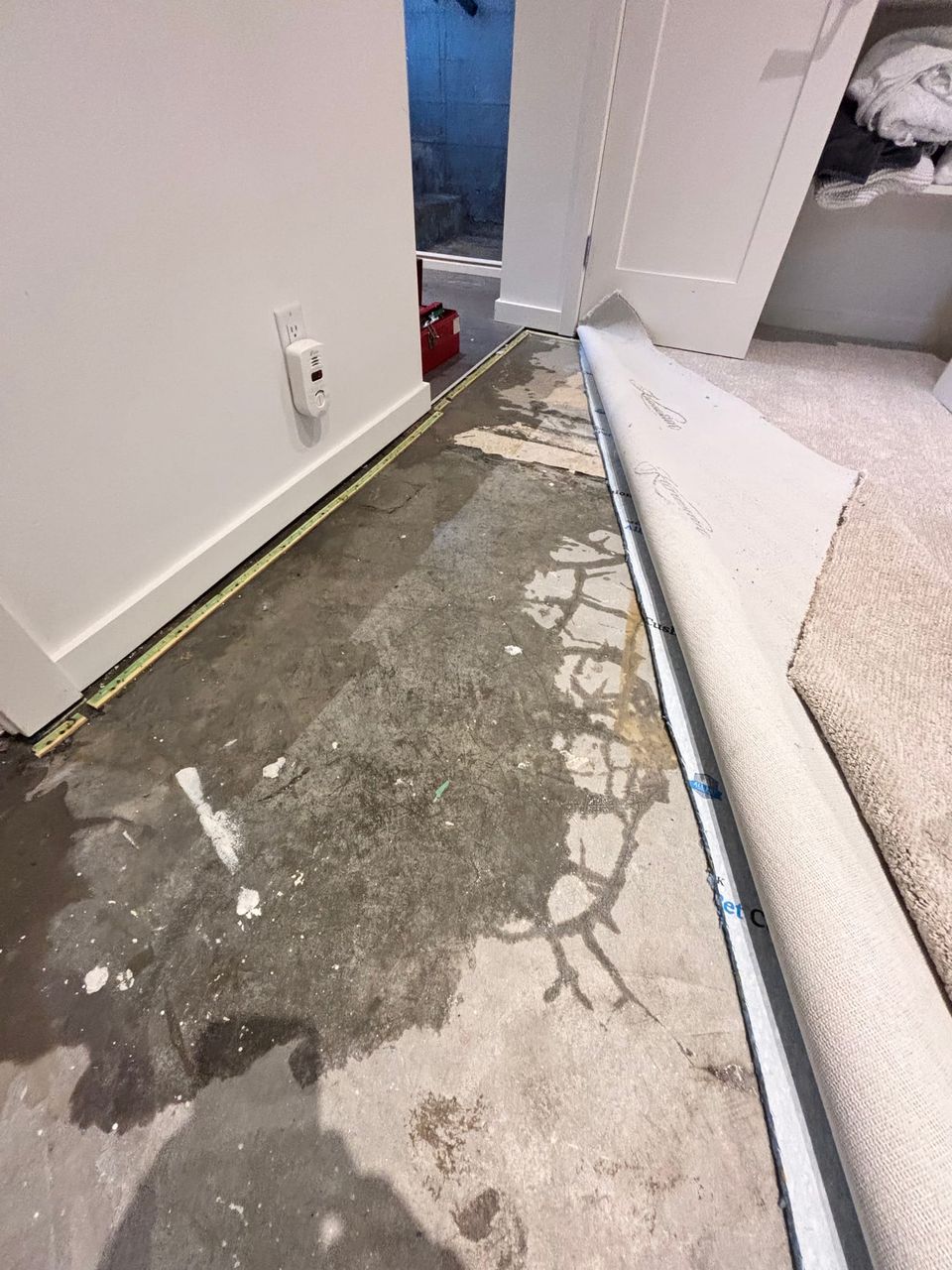
Water shows up at the lowest point it can reach, rarely where it got in. So we don't start with the wet spot — we check the grade, the window wells, the foundation, the perimeter drain and the plumbing until we've found the actual way in. You get written findings with photos and video, and a straight answer: what it is, what fixes it, and whether it's something your insurer needs to hear about.
Any of these is worth a look before anyone touches a wall:
Not sure the signs point to drainage at all? Our guide on signs your perimeter drains are failing covers the pattern.
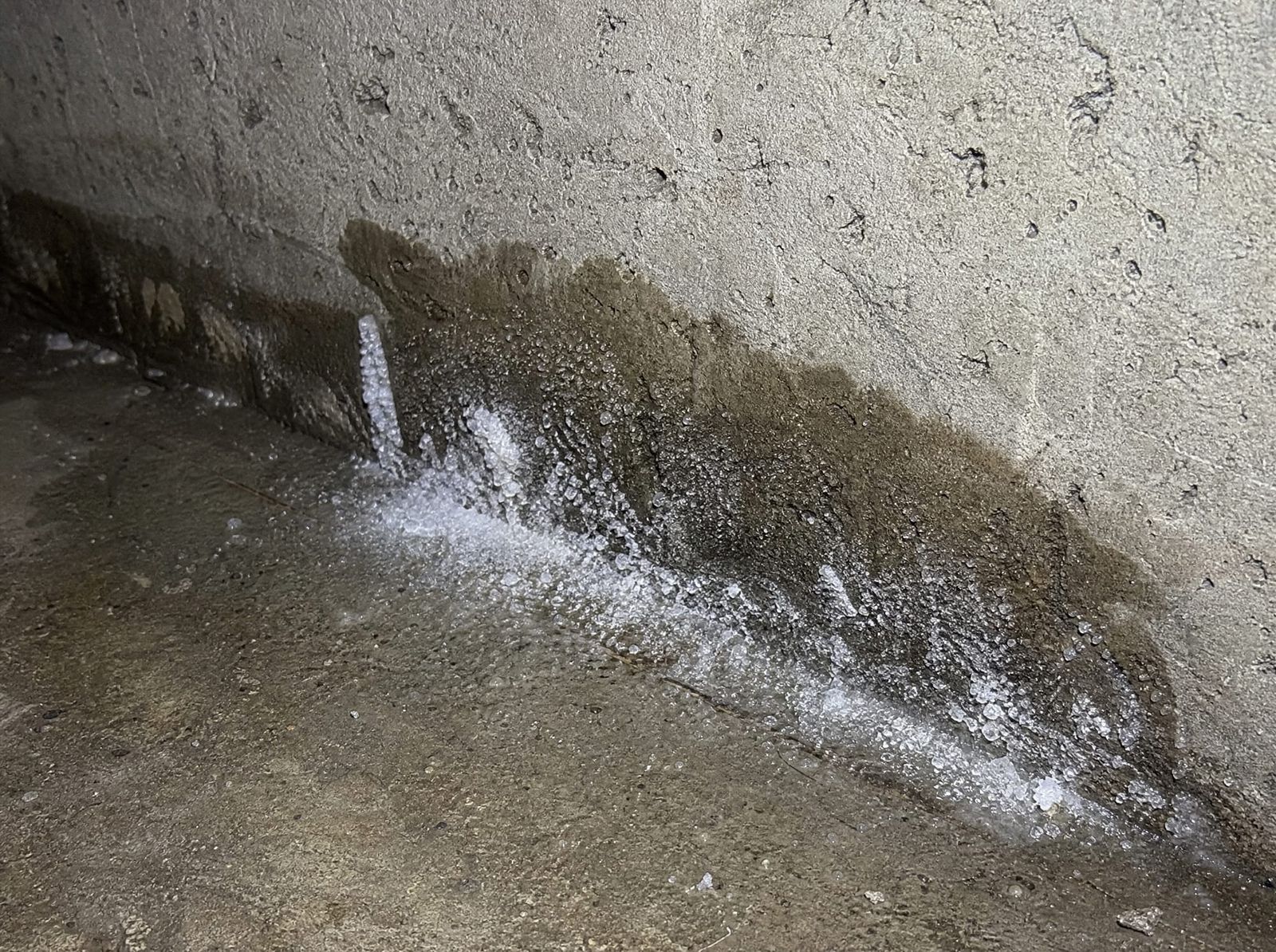
Water shows up at the lowest point it can reach, which is rarely where it entered. A stain at the foot of a basement wall can start in the yard, at a window well, at the drain beside the footing, in the wall or in a pipe inside the house. Each calls for a different repair, so we trace the path first. Four routes from outside:
If water is coming in now, call or text (604) 210-3892.
A leak that appears every November after the first hard rain points somewhere different than one that shows up whatever the weather. At Drainage Pro we diagnose before we excavate, so the visit starts with your history and follows the water.
Covered by our Built Better Warranty.
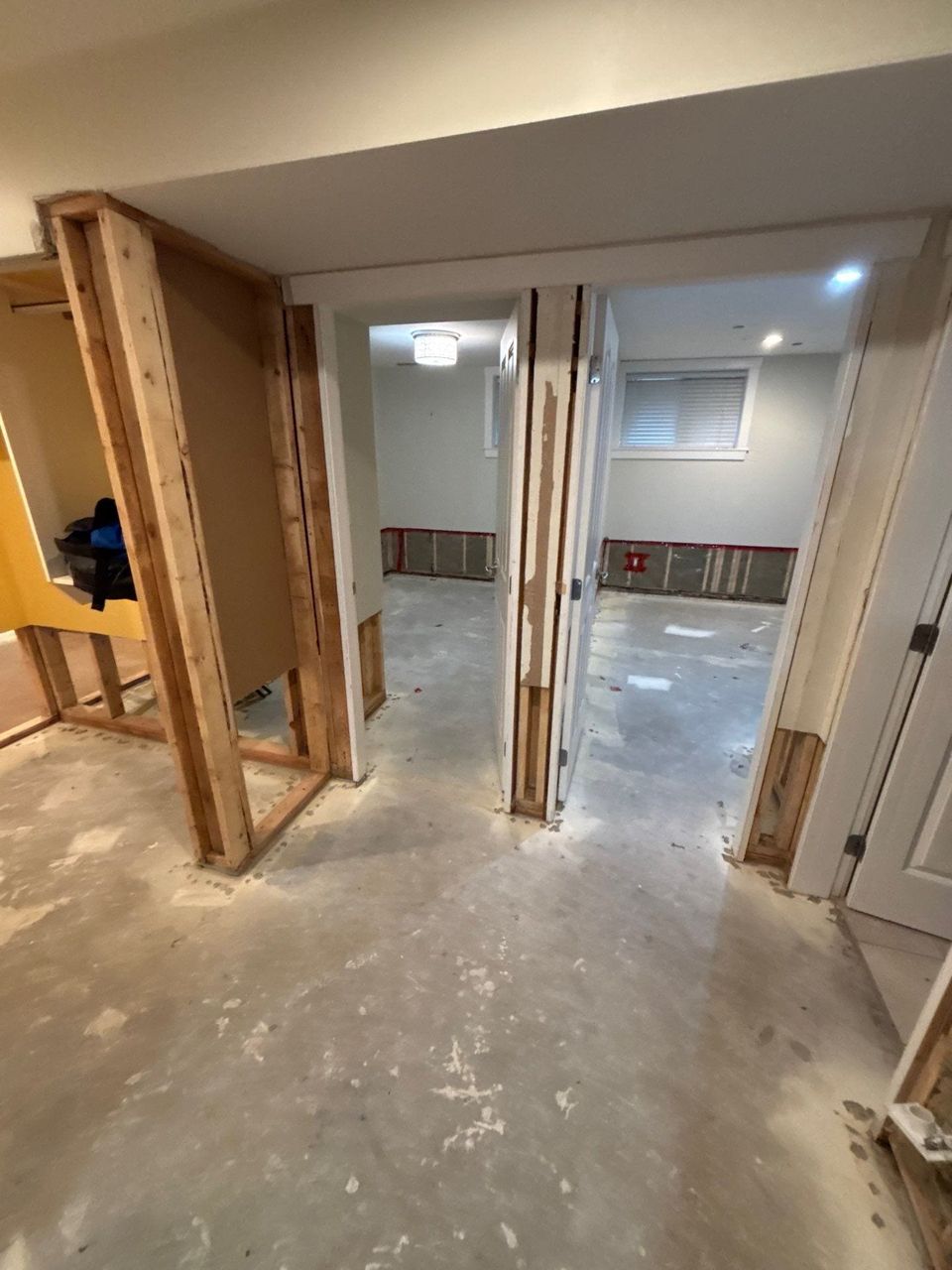
See details of the Built Better WarrantyWhether a wet basement is covered usually comes down to one question: what caused it. Water that worked in slowly through the ground over many rains is treated very differently from a pipe that let go on a Tuesday. The adjuster needs the cause before anything else moves, and so do you.
That is the part we do. Insurers and restoration companies across Metro Vancouver call us to determine causation: we trace the water, camera the drain lines, and write up what failed and why, with photos and video. The report is written to be read by an adjuster, not just by you.
We also help you through the claim. Most drainage and foundation water damage is not covered, and we'll tell you early if yours is likely to fall on that side of the line. If it is covered, we'll tell you what the adjuster will ask for and what to send. If part of it is covered and part isn't, we'll explain where the line sits so there are no surprises later.
If the answer is a drainage or foundation repair, we do that too. Same company, same photo record, start to finish.
If a claim is already open, bring us in before the first repair quote and before anything is torn out — once the evidence is gone, the cause is a guess. The Insurance Bureau of Canada's guidance on flood and water damage covers the general rules; we cover your house. Call or text (604) 210-3892 and tell us the claim is open.
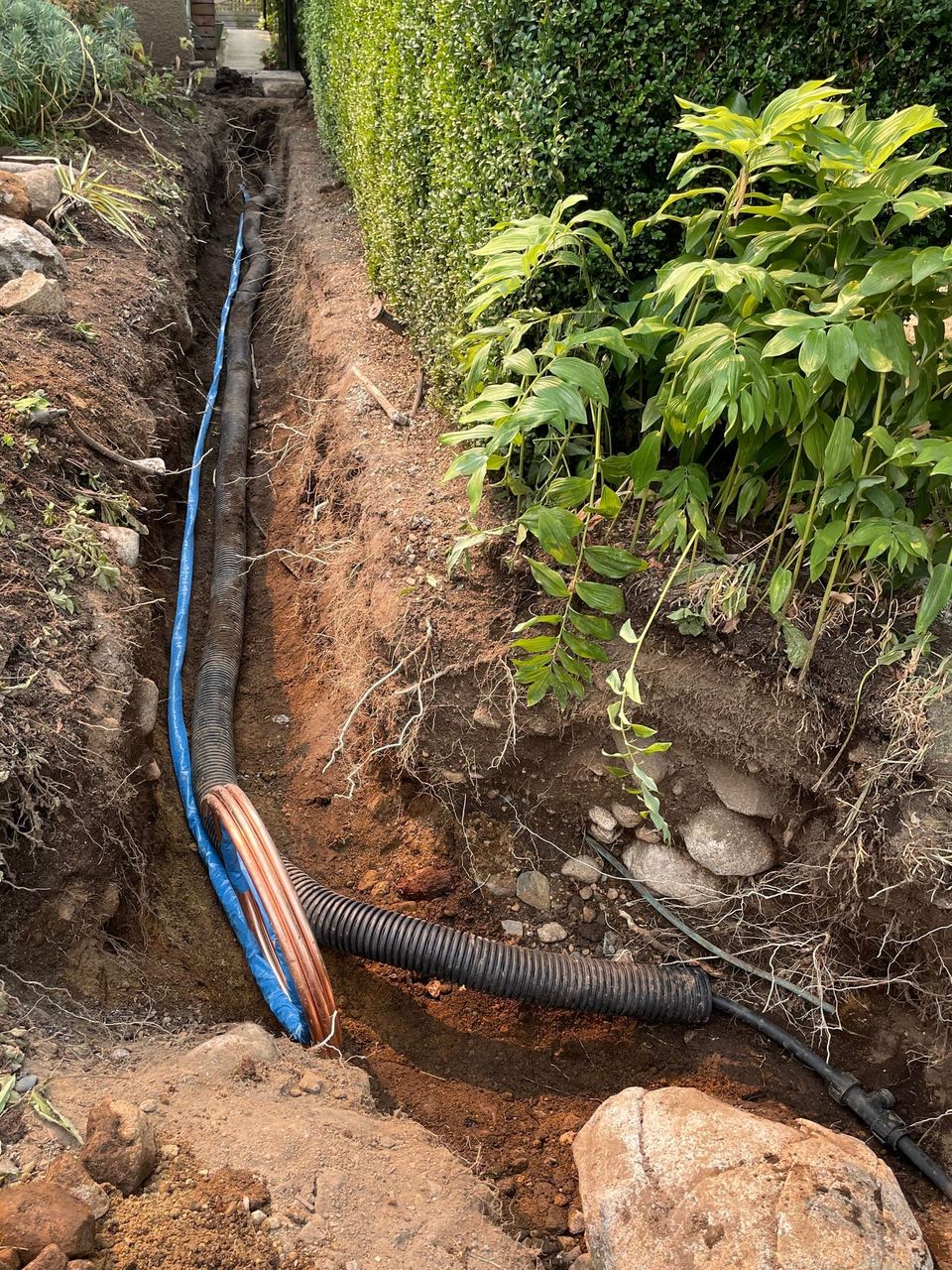
It could be a crack in the foundation wall, a broken irrigation line or a split in the water service between the street and the house. All three look exactly like a drainage leak from inside, and the last two put water into the ground beside the foundation every day, rain or shine. The tell is a wet spot that doesn't track the weather — a leak that is just as bad in August as in November is usually one of these. A service line leak can also show up as a wet patch of lawn that never dries, a soft spot in the driveway, or a water meter that keeps turning with everything in the house shut off.
In municipalities with metered water, West Vancouver among them, a split service line costs three times over: the property damage, the repair, and a sizeable bill from the municipality for months of metered water dumped straight into the ground. It can run a long time before anyone connects the wet wall to the water bill.
If you have an issue, we have a solution. Whether it's drainage related, failed waterproofing on a foundation wall, unknown water ingress or a high water bill, we can help.
Not every wet basement starts outside. A supply line in a wall, a leaking hot water tank or a laundry drain can wet a floor, and condensation can form where warm air meets cold concrete in a closed-up summer. A sewer backup shows as water at the lowest drain rather than as damp walls, and that one is a sewer line repair question.
The tells are a wet area near plumbing rather than along the foundation, water that is warm, and a leak that is worst in July. Our inspections are led by a Red Seal plumber, so the plumbing gets checked in the same visit instead of by a second trade.
A house under ten years old shouldn't have a wet basement. When it does, the drain usually isn't worn out — it was installed wrong, buried wrong, or left with the grading and downspouts working against it. We check what happened after the drain went in:
If the house is still under its new-home warranty, contact the warranty provider first. BC Housing explains home warranty insurance for new homes. If the provider says it isn't a defect, our written findings and camera footage give you something to put in front of them.
The repair follows the cause. It might be perimeter drain replacement, foundation waterproofing, foundation crack repair, sump pump replacement, or a combination. We arrange permits and inspections where required.
We work across North Vancouver, West Vancouver, Vancouver and Burnaby. Start with an inspection and we'll trace it.
Inspect
HD video of what is inside your drain and sewer lines, with faults located from the surface, so repairs start from evidence.
Repair
Spot repair, one side or full renewal, scoped from camera footage of your drain tile and the age of the pipe around it.
Protect
Leaking cracks sealed by injection through the wall, once we know why they opened and whether they are still moving.
Related reading
Guide ·
Perimeter drains usually fail quietly. Here are eight signs that show up inside the house first, what each one usually means, and what to do about it.
Kind, professional, and prompt. A heartfelt thank you to Dean for his expertise and efficiency with swift service on multiple occasions to improve the condition of our family home.
Yes. Water that appears soon after heavy rain starts and dries out quickly usually points to surface water or a downspout. Water at one window only points to the window well. Water that arrives after sustained rain, lingers and is worst on one side of the house usually points to groundwater and a drain that is not keeping up. Tell us what you saw and when.
Yes. A supply line in a wall, a leaking hot water tank, a laundry drain or condensation on cold concrete can all wet a basement. If the water shows up whatever the weather, or is worst in July, start there. A sewer backup is different again: it shows as water at the lowest drain, not as damp walls.
Not as a first step. We start with the timing of the water, the pattern of the damp and a check of interior moisture and cracks. If a small opening in a finished wall is the only way to be sure, we ask first.
A dehumidifier can keep the air drier, but it treats the symptom and tells you nothing about the cause. Damp that arrives with rain is water getting in, and it will keep arriving. Damp that is worst in a closed-up summer may be condensation, which is a ventilation question rather than a drainage one.
Yes. Drywall, insulation, flooring and cabinets can hide moisture for a long time, so staining or mould on a finished surface may mean the damage behind it is further along. Moisture that persists gives mould the conditions it needs, so correcting the source of the water comes first.
Newer homes can leak early when the drainage failed too soon: poor installation, unsuitable backfill, or grading that was never right. Window wells with no working drain and downspouts that end at the wall are also worth checking. If the house is still under its new-home warranty, contact the warranty provider.
Reviewed
Tell us the address and what you're seeing — a backup, a wet wall, a smell, a sinking lawn. We'll tell you what the next step is and what it costs, before anyone digs. Not sure yet? Ask us a question first.
Talk to the crew
Mon–Fri 7:30am–5pm · Sat–Sun 8am–5pm
Water where it should not be? A person answers, not a call centre. Photos by text tell us the most.
Call (604) 210-3892 Fastest way to reach us Text us Send photos of the wet spot ★★★★★