

Protect
Foundation waterproofing
A membrane on the outside face of the foundation wall, protected by drainage board and put on while the trench is open.
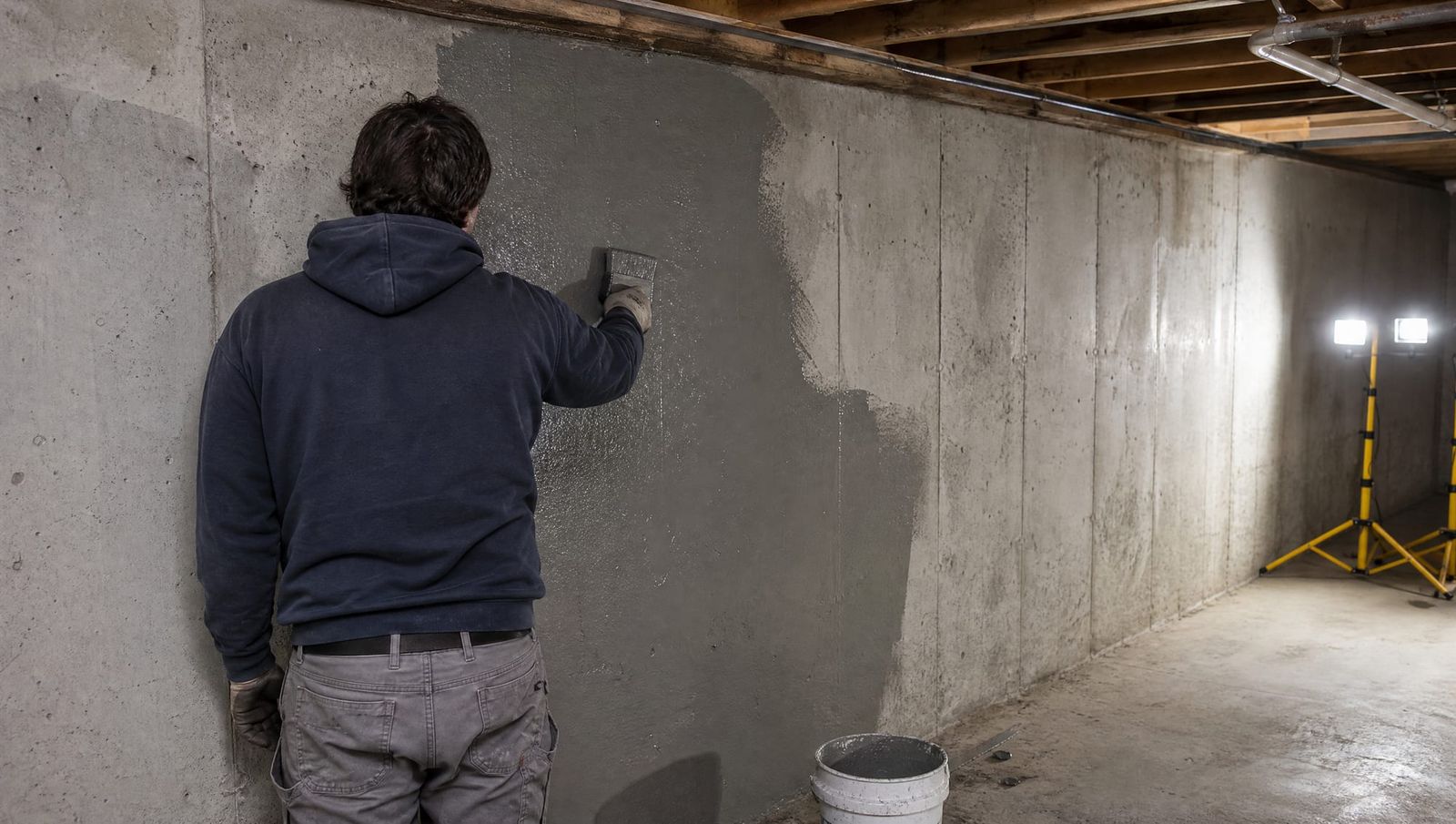
On an older North Shore or Vancouver home, a wet basement is usually the perimeter drain, not the wall, and some need no waterproofing at all. The first step is a written assessment: where the water gets in, when, and what will stop it. You keep it, whoever does the work.
Match what you're seeing to one of these. Each has its own fix, and three of the four aren't interior waterproofing.
Up through the floor and wall joint.
Through a crack or a penetration.
Through the wall face itself.
Over the top.
Sealing the inside of a wall doesn't stop water building up outside it. When the perimeter drain has failed, groundwater sits against the foundation and builds hydraulic pressure, and that pressure pushes water through whatever is weakest: a crack, a cold joint, or an older basement slab that's thin and porous enough for water to come up through it. Sealing the inside face just moves the water to the next weak point. Homes built before the early 1990s often have clay or first-generation cement drain tile, so on an older house the drain is the first suspect. If it has failed, perimeter drainage repair comes before any interior work.
The same goes for a downspout dumping at the wall or a window well that holds water. Those get fixed first, and they are not a waterproofing scope. If that's all it is, we'll say so. Left alone, a basement that takes water every fall becomes a mould problem, and that costs more to fix than the drain did.
Write them down the next time it rains and send them with the address. We'll reply with what it's most likely to be and what the next step would cost, before anyone comes out.
Timing.
Spread.
Floor.
Downspouts.
Text us what you're seeing at (604) 210-3892. Photos help.
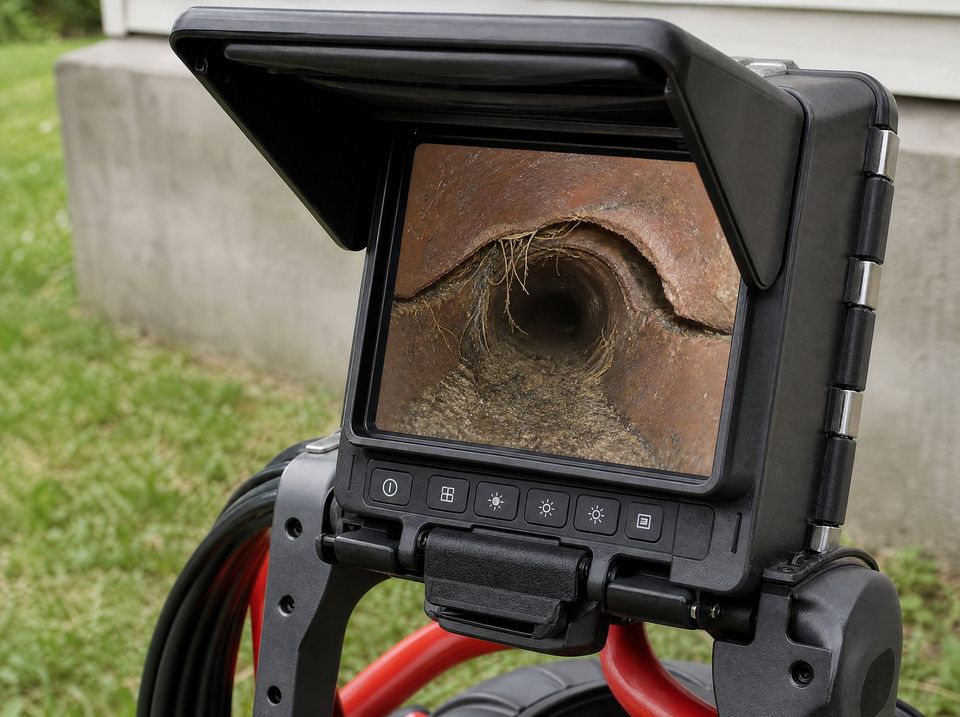
The next step: a written assessment. It's a paid service, and you keep the findings. A visit to establish where the water gets in and when, with the camera on the perimeter drain if the drain is in question. You get the findings in writing and the video if we ran one, and both are yours whoever does the work. If the fix is a downspout and a shovel, the assessment says so and that's the end of it.
Covered by our Built Better Warranty.
See details of the Built Better WarrantyThere is no direct replacement for exterior foundation waterproofing, but circumstances sometimes call for a different approach. A shared property line, a deck or patio against the wall, or a finished yard can rule out digging down to the footing. When that's the case and the drain is working, interior waterproofing is a potential option.
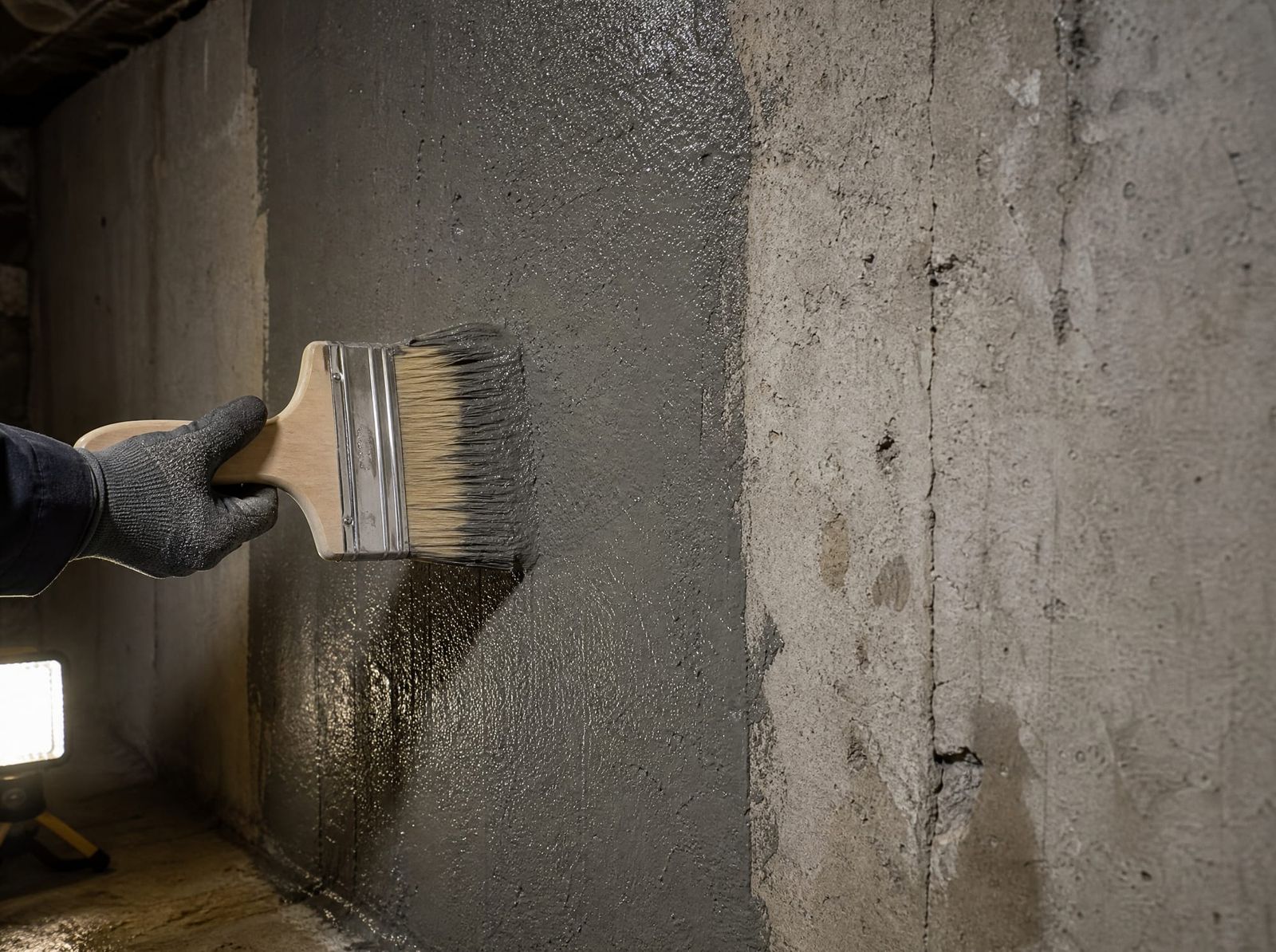
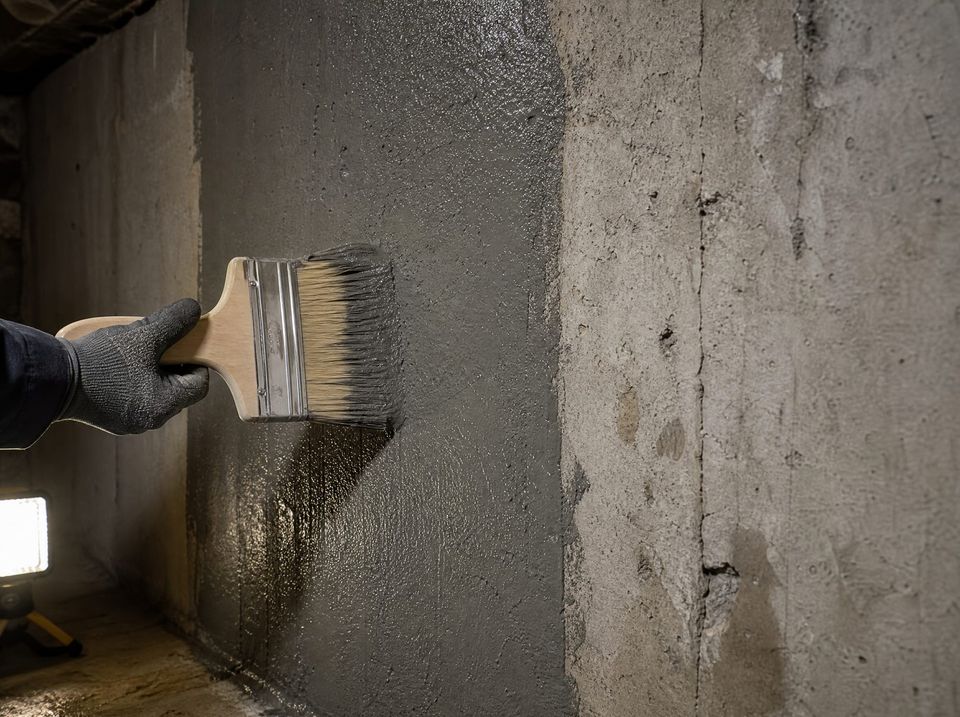
We use Xypex crystalline waterproofing. It seals the pores of the concrete itself, forming a barrier on the inside face of the wall. The surface is cleaned and acid etched first to open the pores of the concrete so it penetrates. It works as a complement to drainage that's doing its job outside, not as a substitute for it. Where the drain can't reach the storm connection by gravity, a sump pump lifts the water out.
Protect
A membrane on the outside face of the foundation wall, protected by drainage board and put on while the trench is open.
Protect
Leaking cracks sealed by injection through the wall, once we know why they opened and whether they are still moving.
Inspect
A stain on the wall is rarely where the water got in. We trace the route first, so the repair is aimed at the cause.
Related reading
Guide ·
Perimeter drains usually fail quietly. Here are eight signs that show up inside the house first, what each one usually means, and what to do about it.
Very well experienced and helpful people. They looked after a restoration project for me from start to finish. Great results!
Interior and exterior waterproofing do different jobs. Exterior work keeps water off the wall and is the stronger defence where the wall can be reached. Interior work manages moisture from inside where digging is not practical, such as a shared property line or a finished yard. On an older foundation the strongest result often pairs both.
A perimeter drain sits outside the wall beside the footing and carries groundwater away, so water does not build up against the foundation. Waterproofing is the barrier on the wall, outside or inside. Neither replaces the other: a working drain relieves pressure, and a barrier deals with moisture the wall still passes.
Often, yes. Which method fits depends on where the water gets in: an exterior membrane where the wall can be dug out, interior membranes and sealants or crystalline treatment from inside, crack injection at a leak, a sump where the perimeter drain cannot reach the storm connection by gravity, or a combination of these.
Only if water is still coming through the wall face or along the floor joint. A working drain relieves pressure at the footing, but it does not stop damp concrete or a leaking joint. If the drain is original and has never been filmed, the camera comes first. Where the wall can be reached from outside, exterior work may be the better answer.
Water that comes up through the middle of the slab is being pushed from below. The cause may be a high water table or a drain that no longer relieves pressure at the footing, and treating the walls does not address either. The repair is usually drainage, with a sump where the water has to be lifted out.
Crystalline waterproofing is applied to bare concrete and penetrates it, so it seals the concrete itself. It is most effective alongside working drainage outside, because it does not move water away from the foundation.
Reviewed
Tell us the address and what you're seeing — a backup, a wet wall, a smell, a sinking lawn. We'll tell you what the next step is and what it costs, before anyone digs. Not sure yet? Ask us a question first.
Talk to the crew
Mon–Fri 7:30am–5pm · Sat–Sun 8am–5pm
Water where it should not be? A person answers, not a call centre. Photos by text tell us the most.
Call (604) 210-3892 Fastest way to reach us Text us Send photos of the wet spot ★★★★★